
Photo: Rod Long
Every collection has an expiration date — or it doesn't.
Some objects outlive their collector by decades and find new admirers in the next generation. Others end up at a flea market or in a dumpster the moment the estate is settled. What decides whether a collectible makes that leap? This article examines the criteria that turn an object into something more than a personal preference — something that endures beyond a single generation.
Why This Question Matters
Collections are almost always built with the expectation that they'll last. Hardly anyone buys a collectible thinking it will be worthless in twenty years. Yet that is exactly the most common outcome: stamp albums gather dust in attics, CD collections get thrown out, curio cabinets get emptied. Heirs often have neither the connection nor the knowledge to recognize the value — material or sentimental.
An object is "generation-ready" when it survives this transition: when it still makes recognizable sense to someone else — an heir, a buyer, or an institution — after the original collector has passed on or stepped away. This isn't purely a question of value. It's a question of materiality, context, documentation, and cultural continuity.
Criterion 1: Physical Durability
The most basic — and most commonly underestimated — factor is the material itself. A collectible can only be passed on if it survives time.
- Stable materials (metal, glass, well-stored paper, wood, ceramics) age slowly and forgive even years of neglect.
- Fragile or perishable materials (certain plastics, rubber, light-sensitive dyes, magnetic tape) require continuous, expert care — if that care lapses for a generation, the object is often beyond saving.
A 19th-century coin basically just needs a dry place. A VHS tape, on the other hand, will eventually lose its information without being copied over — no matter how much it was loved. Anyone collecting for the long term should ask: will this object survive a period when no one is actively looking after it?
Criterion 2: Legibility Without the Collector
The second criterion is less physical than informational: does the value of an object still make sense without the person who assembled it?
Many collections exist almost entirely in their owner's head. The organization, the connections, the anecdotes behind each piece — all of that is knowledge that disappears with the collector if it was never documented. A collection with clean cataloging — provenance, acquisition date, condition, classification — remains legible. A collection without that structure becomes, for the next generation, just a pile of objects without a story, and objects without a story become interchangeable.
A collection that exists only in its owner's memory dies with them.
This is one of the strongest levers collectors have in their own hands: generation-readiness can be actively built, simply through consistent documentation.
Criterion 3: Cultural Continuity
An object can be materially flawless and thoroughly documented and still pass the next generation by — if it lacks the cultural context in which it makes sense.
Collecting fields often lose new collectors precisely because the cultural framework they emerged from disappears: stamps, for instance, lost much of their emotional charge as the letter faded as a form of communication. Other collecting fields gain new collectors because they connect to current cultural currents — vinyl records benefit from the retro trend and the appeal of a deliberate, physical listening experience; sneakers and trading cards tap into pop-culture nostalgia and digital communities.
Generation-readiness, then, isn't purely a property of the object. It also depends on whether a collecting field carries a narrative that will still make sense in fifty years — craftsmanship, design history, cultural history, the history of technology — or whether its appeal is tied to a very specific, fleeting way of using it.
Criterion 4: Market Liquidity Across Cycles
Value alone doesn't make an object generation-ready — but the ability to remain tradeable across different market phases does. A collecting field with active auction houses, dealers, clubs, or online marketplaces gives the next generation a point of entry: they can sell, get things appraised, keep collecting, or add to the collection deliberately.
Without that infrastructure, even a rare piece becomes a burden. It's hard to classify, hard to sell, hard to pass on — the heir is left with an object whose value no one can assess anymore, in a market that no longer exists.
Criterion 5: Emotional and Narrative Weight
Beyond material, documentation, culture, and market, one softer but decisive factor remains: the story an object tells. Collectibles tied to a larger narrative — family history, cultural history, a craft, a journey, a passion that can be communicated — have a much better chance of being passed on emotionally, even when their material value is modest.
That's why some unassuming object gets preserved across generations within a family, while more valuable but contextless pieces disappear. The story is often the real vehicle of transmission — the object is just its evidence.
What Collectors Can Actively Do
Generation-readiness isn't a fixed property of a collecting field — it can largely be shaped:
- Document, don't just remember. Write down provenance, context, acquisition history, and condition, with photos — not just in your own head.
- Pass on the story, not just the object. Why was this collected, what makes it special? That narrative is often worth more than any appraisal.
- Mind material stability. For fragile objects, actively invest in conservation, digitization, or proper storage.
- Involve the next generation early. Collectors who bring the next generation into the fold while still actively collecting improve the odds it will later be taken over.
- Stay realistic. Not every collecting field appeals to every following generation — that's not a personal failure, it's part of cultural change.
Conclusion
A collectible doesn't become generation-ready through rarity or value alone, but through the interplay of physical durability, documentation, cultural continuity, market infrastructure, and a story that can keep being told. The good news: most of these factors are within a collector's control. Whoever collects and documents today largely decides whether their collection still means something to someone in thirty years — or gathers dust in the attic.
You want to start collecting but don’t know how to begin? This guide shows you step by step how to find the right collecting field, avoid mistakes, and build your collection strategically and sustainably
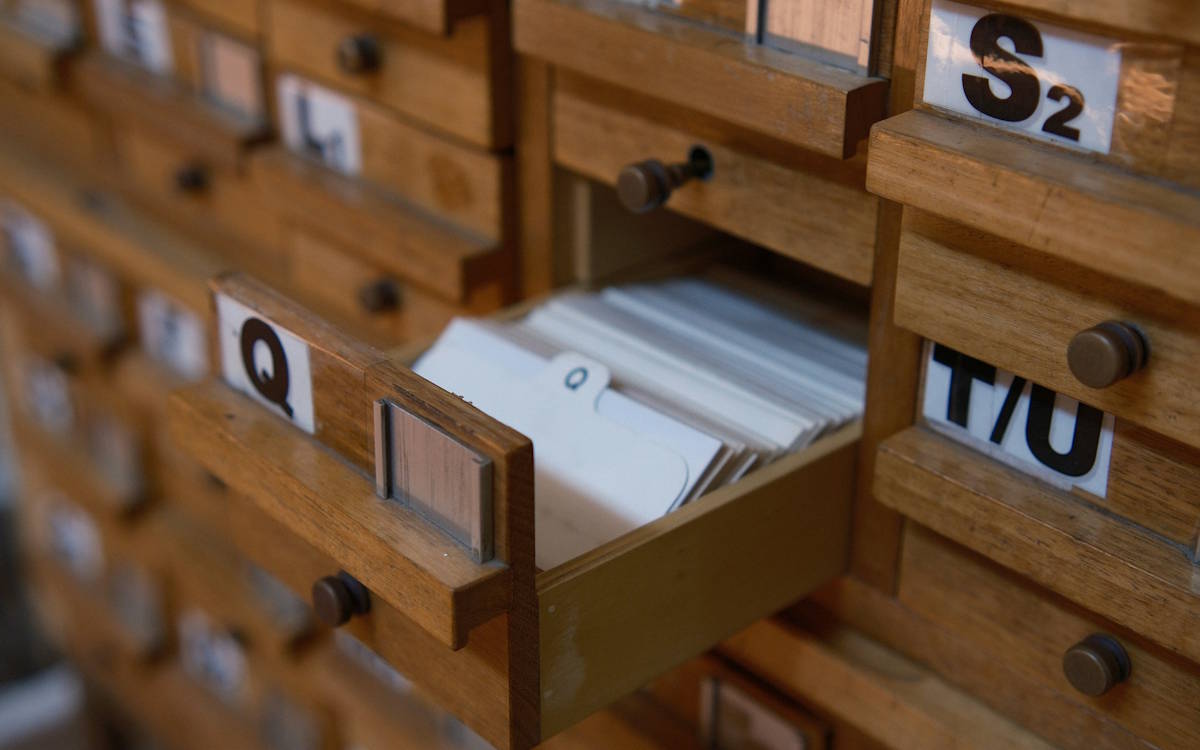
The practical guide to inventory numbers, data fields, photo documentation, and the right software for every collection.